Checkered Elephant Embroidery Review
The Checkered Elephant design is a standout machine embroidery design that offers both visual appeal and practicality for craft fair sellers and handmade product creators. With its playful yet sophisticated look, it’s a versatile choice for a wide range of products, from tote bags to aprons and everything in between.
First Impressions: A Playful and Polished Design
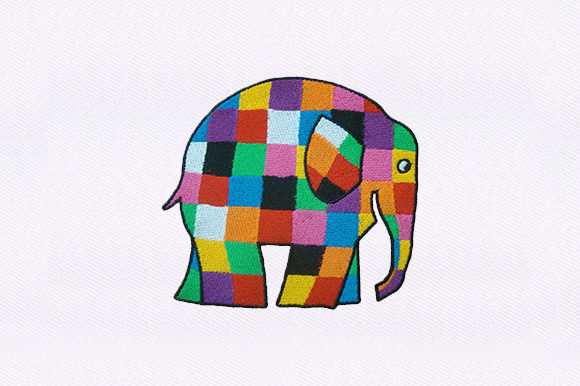
From the first glance, the Checkered Elephant design exudes a charming, modern aesthetic. The checkered pattern combined with the elephant silhouette gives it a unique blend of whimsy and elegance. It feels like a design that would catch the eye at a craft fair or handmade market, especially when displayed on fabric or clothing items.
This design is ideal for those looking to add a touch of personality to their handmade product line. Its bold yet balanced style makes it suitable for both casual and more refined settings, depending on how it's applied.
Where Checkered Elephant Shines
The Checkered Elephant design works exceptionally well on several popular craft fair products. For example, as a tote bag design, it adds a memorable focal point that draws attention. On apron embroidery, it brings a fun element to kitchen wear, while on tea towel embroidery, it creates a rustic, farmhouse vibe that appeals to many buyers.
As an embroidered patch, it can be sewn onto jackets, backpacks, or even baby onesies, making it a flexible addition to any handmade shop. It also translates well to fabric pouches and pillow covers, offering a decorative touch that elevates the overall look of the item.
For market bags and handmade gifts, the Checkered Elephant design provides a polished, professional finish that can make a significant difference in customer perception. It’s also a strong contender for Etsy seller listings, where visual appeal and uniqueness are key factors in driving sales.
Practical Selling and Production Considerations
One of the strengths of the Checkered Elephant design is its clarity at a glance. It’s easy to recognize and understand, which is essential for attracting customers in a busy craft fair setting. Whether used as a small accent or a large focal point, it maintains its visual impact without overwhelming the design.
Photographing this design for online listings is straightforward, as it has clean lines and distinct elements that translate well to digital formats. This makes it a great option for printable mockups and design assets that can be used in marketing materials.
When it comes to batch production, the Checkered Elephant design is likely repeatable and efficient. However, it’s important to consider the stitch density and hoop size to ensure consistent results across multiple items. Testing the embroidery file on different fabrics will help determine the best approach for each product type.
Careful-Use Notes for Embroidery Designers
While the Checkered Elephant design is generally user-friendly, there are some considerations to keep in mind. Areas with dense stitching may require additional stabilizer to prevent puckering, especially on thinner or stretchy fabrics. Tiny details and small lettering should be reviewed carefully to ensure they remain visible and legible after stitching.
When working with thick fabric or textured towels, it may be necessary to adjust the hoop size or use a different stabilizer to maintain quality. Similarly, applying the design to curved surfaces like caps could require extra attention to ensure even coverage and alignment.
On dark fabric, the contrast of the thread colors becomes crucial. Choosing the right thread shade will help the design stand out and maintain its intended look. Additionally, if the design is scaled down, some details might become less clear, so it’s wise to test smaller sizes before mass production.
Impact on Visual Appeal and Customer Engagement
The Checkered Elephant design enhances the visual appeal of any product it’s applied to. Its unique combination of patterns and shapes makes it a conversation starter, which is invaluable in a craft fair environment. Customers often gravitate toward items that feel special and one-of-a-kind, and this design delivers on that promise.
It also contributes to the perceived value of a small shop product. When customers see a well-executed embroidery design, they’re more likely to view the finished product as high-quality and worth the price. This can lead to increased buyer engagement and repeat purchases.
For brand consistency, the Checkered Elephant design can serve as a signature element that ties together a collection of handmade items. It helps create a cohesive look that resonates with target audiences, whether they're parents shopping for baby items or shoppers looking for stylish, functional home goods.
Embroidery Designer Tips for Success
Before committing to large-scale production, it’s always a good idea to test the design on scrap fabric. This allows you to evaluate how the stitch density looks on different materials and make any necessary adjustments. Checking the thread contrast is equally important, as it can significantly affect the final appearance.
Reviewing the spacing between elements ensures that the design doesn’t look cramped or cluttered. Confirming the hoop size required for the design will help avoid issues during the embroidery process. Using the right stabilizer can prevent distortion and improve the overall quality of the finished product.
Creating at least one real mockup is highly recommended. This allows you to see how the design looks on actual products and make any last-minute tweaks. Comparing different fabric colors can also help you determine the best options for your target market.
Finally, before selling finished products, make sure to confirm the commercial licensing terms of the digital embroidery file. This ensures that you’re compliant and can confidently offer the Checkered Elephant design as part of your commercial embroidery offerings.